What are base degen casino tokens
Base degen casino tokens represent a specific niche within the Base Layer 2 ecosystem, merging high-volatility speculative trading with on-chain gambling utilities. Unlike general meme coins that rely purely on social sentiment, these tokens are often embedded in the infrastructure of decentralized gambling platforms, tipping mechanisms, and high-risk trading communities centered around Farcaster and Base.
The term "degen" originates from "degenerate," a self-applied label for traders who embrace extreme risk for the chance of outsized returns. In the context of Base, this behavior is facilitated by low gas fees and instant finality, allowing for rapid micro-transactions and high-frequency betting. Tokens like DEGEN started as community tipping currencies on Farcaster but evolved into native assets for the Degen Chain, a specialized L2 built on Base to support these high-throughput, low-stakes interactions.
These tokens function differently from traditional cryptocurrencies. They are not primarily store-of-value assets but rather mediums of exchange within closed-loop ecosystems. Users stake, trade, or wager them in decentralized casinos, prediction markets, and social trading dashboards. The value proposition is tied to the activity of the community rather than fundamental business metrics, making them highly susceptible to viral trends and social media momentum.
Understanding Base degen casino tokens requires recognizing their dual nature: they are both financial instruments and social tokens. Their price action is often decoupled from broader market trends, driven instead by the health and engagement of specific on-chain communities. Traders must monitor on-chain metrics, such as transaction volume and active wallet counts, rather than traditional technical indicators, to gauge genuine interest.
The infrastructure supporting these tokens is built for speed and cost-efficiency. Base’s architecture allows for thousands of transactions per second at fractions of a cent, enabling the micro-betting models that define this sector. This efficiency lowers the barrier to entry, allowing users to participate in gambling-like activities with minimal friction, which in turn increases token velocity and liquidity within these niche markets.
The Degen Chain Infrastructure and Utility
Degen Chain operates as a Layer 3 (L3) on the Base network, built specifically to handle high-frequency, low-cost transactions that standard L2s can struggle with during peak congestion. For casino-style applications, this architecture is not just a convenience; it is a requirement. The chain’s design prioritizes speed and minimal fees, allowing users to place bets, spin reels, or trade meme coins without waiting for block confirmations or paying exorbitant gas fees.
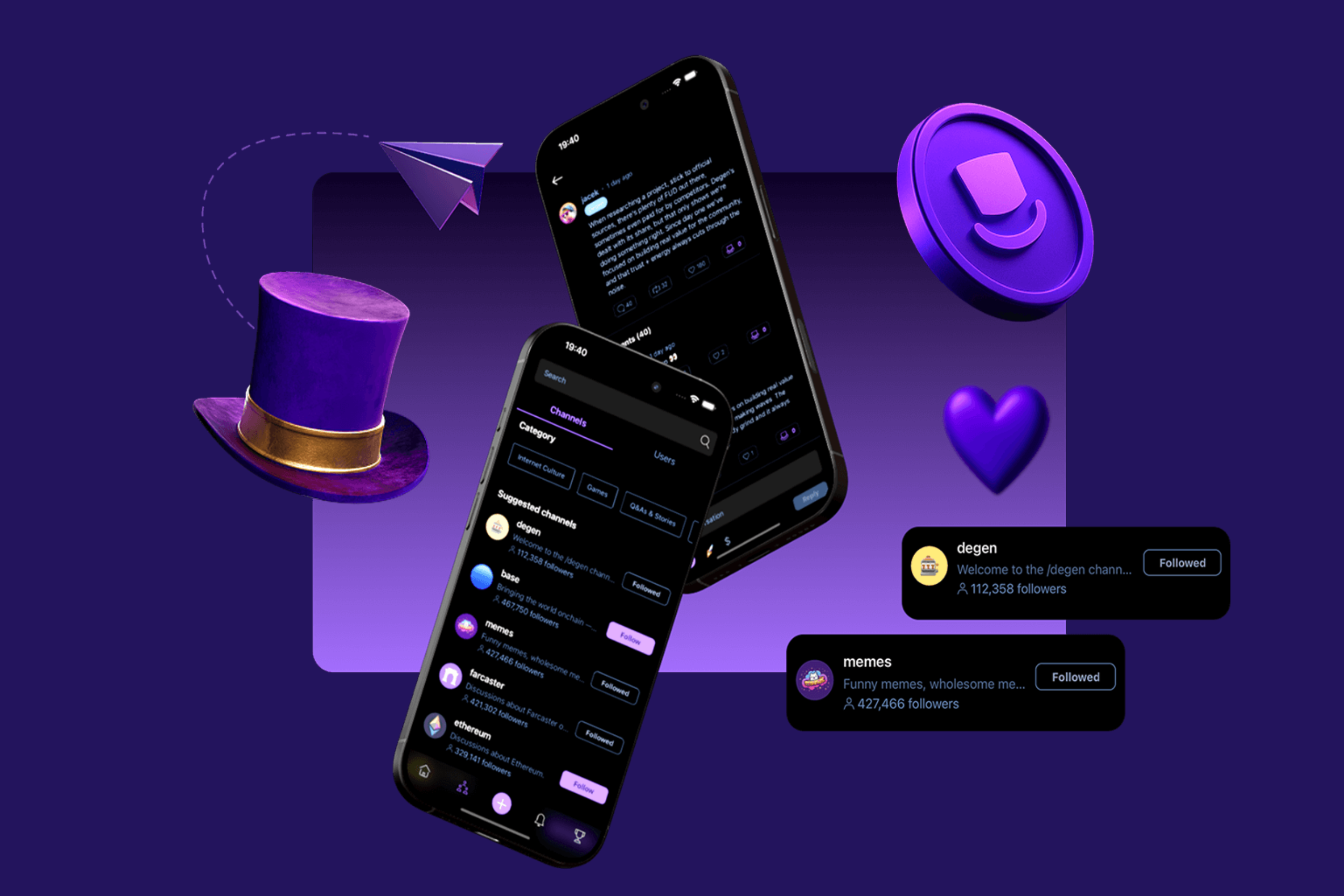
At the center of this ecosystem is the DEGEN token. Launched in January 2024 via an airdrop to the Degen community on Farcaster, DEGEN serves as the native gas and utility token. It powers transactions on the Degen Chain and acts as the primary medium of exchange within its decentralized applications. This utility creates a closed-loop economy where the token’s value is directly tied to the activity and adoption of the chain’s apps, particularly in the high-volume casino and meme coin sectors.
The infrastructure matters because it decouples casino-style gaming from the broader Ethereum mainnet’s constraints. By operating on its own L3, Degen Chain can offer near-instant finality and sub-cent transaction costs. This allows casino apps to offer micro-betting experiences and rapid payouts that would be economically unviable on a standard Ethereum Layer 2. The result is a platform where the friction of traditional crypto transactions is removed, enabling the high-turnover trading and gaming behaviors that define the "degen" culture.

To understand the market dynamics of this infrastructure, it is essential to look at the token’s price action relative to major pairs. The volatility of DEGEN often mirrors the broader sentiment in the Base ecosystem, with sharp movements driven by new app launches or community events on Farcaster. Tracking DEGEN against ETH or USDC provides a clear view of how the infrastructure’s utility translates into market value.
Market research and tokenomics breakdown
To assess the financial health of $DEGEN, we need to look past the hype and examine the hard numbers. As an ERC-20 token launched in 2024 to incentivize engagement on Farcaster, its value proposition is tied directly to its utility within the Base ecosystem. Understanding its supply mechanics and current market position is essential for any serious analysis.
We start with the live market data. $DEGEN is a high-volatility asset, so static numbers age quickly. Use the widget below for real-time pricing, then look at the comparative metrics to see how it stacks up against other established tokens in the space.
The tokenomics reveal a distribution model designed for rapid adoption rather than long-term scarcity. Unlike many projects that lock up supply, $DEGEN has a circulating supply that closely mirrors its total supply, meaning there is minimal inflationary pressure from team unlocks in the near term. However, this also means the market is fully exposed to selling pressure from early adopters and airdrop recipients.
| Token | Total Supply | Market Cap | Primary Utility |
|---|---|---|---|
| $DEGEN | 100M | ~$50M | Farcaster Engagement |
| $AERO | 880M | ~$400M | Base Liquidity |
| $COMP | 10M | ~$300M | Governance |
When comparing $DEGEN to other Base-layer tokens like $AERO or $COMP, the differences in utility become clear. $AERO drives liquidity on Aerodrome, while $COMP governs Compound. $DEGEN’s value is more abstract, tied to social capital and network effects on Farcaster. This makes its price action more sensitive to social sentiment than to traditional DeFi metrics like TVL or revenue.
For a deeper look at the technical trends, the chart below provides a daily view of price action. This helps identify support levels and volume spikes that often precede significant moves in meme-adjacent tokens.
Strategic risks and volatility factors
Base Degen Casino Tokens works best when the purchase path is explicit. Verify the source, compare the offer against real alternatives, check the total cost, and confirm what happens after payment before you decide. After each comparison, write down the one risk that would change your mind. If the seller, condition, support, warranty, shipping, or upkeep still feels uncertain, resolve that question before moving to checkout.
The simplest way to use this section is to verify the seller, compare the total cost, and resolve the biggest risk before you commit.
Buy and store degen tokens safely
Acquiring DEGEN requires precision. A single wrong address or unverified exchange can result in total loss. This workflow prioritizes verified aggregators and secure storage to minimize exposure to scams and smart contract risks.
Before purchasing, set up a non-custodial wallet like MetaMask or Rabby. Ensure you are using the Base network. Never share your seed phrase. If you are new to Base, fund your wallet with ETH via a centralized exchange like Coinbase or Binance, then bridge it to Base using the official Bridge or a trusted aggregator like De.Fi.
Always confirm the DEGEN contract address on BaseScan or the official Base community channels. Scammers create fake tokens with similar names. Copying the address directly from a trusted source prevents sending funds to a honeypot or rug pull.
Use a reputable aggregator like De.Fi or 1inch to find the best liquidity for DEGEN. Aggregators split trades across multiple DEXs to minimize slippage and maximize your return. Avoid direct DEX links from social media ads, which often route to malicious interfaces.
Review the transaction details, including gas fees and price impact. Confirm the swap only if the output amount matches your expectations. Once acquired, consider moving your DEGEN to a hardware wallet if you are holding for the long term, or keep it in your software wallet only if you plan to trade actively.
Frequently asked questions about degen tokens
How do degens make money?
Degen traders typically focus on early-stage tokens, memecoins, and emerging trends rather than long-term holding. The strategy relies on high-frequency trading and capturing volatility in the market, often chasing significant short-term gains rather than traditional investment returns.
How does Degen work?
Degen operates as an ERC-20 token on the Base blockchain, launched in January 2024. Transactions are executed automatically via smart contracts without a central intermediary, allowing users to trade, stake, and participate in DeFi activities with low fees and high efficiency. View contract on Basescan.
How to buy Degen coins?
To acquire DEGEN, you can use centralized exchanges like Binance or decentralized wallets like Trust Wallet. The process generally involves creating an account, funding it with a stablecoin like USDT, and swapping that stablecoin for DEGEN. Always verify the contract address 0x4ed4e862860bed51a9570b96d89af5e1b0efefed before transacting to ensure you are interacting with the official token.
No comments yet. Be the first to share your thoughts!