
Base degen casino tokens market research
The Base ecosystem has seen a surge in speculative tokens tied to casino and gambling narratives, but distinguishing legitimate projects from fleeting hype requires careful scrutiny. Unlike established Layer 1 blockchains, these tokens often operate on thin liquidity and rely heavily on community sentiment rather than robust revenue models. For investors, this means the primary research focus must shift from traditional fundamental analysis to on-chain activity, tokenomics, and contract security.
Current market data shows significant volatility. For instance, the DEGEN token, a foundational asset in the Base ecosystem often associated with gamified incentives, fluctuates widely. As of recent metrics, its market capitalization hovers around $26 million to $40 million, with 24-hour trading volumes exceeding $3 million, indicating active but risky trading conditions [src-serp-1][src-serp-2]. Such metrics highlight the importance of monitoring real-time volume rather than static price points.
When evaluating base degen casino tokens, prioritize projects with transparent smart contracts and clear utility beyond mere speculation. Look for tokens that integrate with existing Base-based dApps or offer tangible rewards within the gambling ecosystem, rather than those promising unrealistic yields. Always verify the contract address through official sources like CoinGecko or Etherscan to avoid phishing scams.
Base degen casino token choices that change the plan
Evaluating Base casino tokens requires looking past the hype of low gas fees and fast finality. While the Base network offers an ideal playground for micro-transactions, the specific token you choose dictates your exposure to liquidity risk, governance influence, and operational utility. Not every token is built for gambling infrastructure; some are purely speculative community assets, while others are integrated directly into casino protocols.
The primary tradeoff lies between liquidity depth and utility integration. High-liquidity tokens like DEGEN offer tighter spreads and easier entry/exit for casino operators, reducing slippage during high-volume betting periods. However, these tokens often carry higher market caps, meaning smaller price movements. Conversely, newer or niche casino tokens may offer higher upside potential if the associated platform gains traction, but they suffer from thin order books, making large bets costly or impossible to execute.
Another critical factor is governance vs. pure utility. Some tokens serve as governance keys for DAOs that manage casino reserves or protocol upgrades. Holding these tokens grants voting power but rarely generates direct yield from betting activity. Other tokens are designed strictly as utility credits, often with burn mechanisms that reduce supply as players wager. Understanding whether a token’s value accrues from protocol revenue, speculative demand, or community sentiment is essential for long-term positioning.
Live Market Data and Technical Context
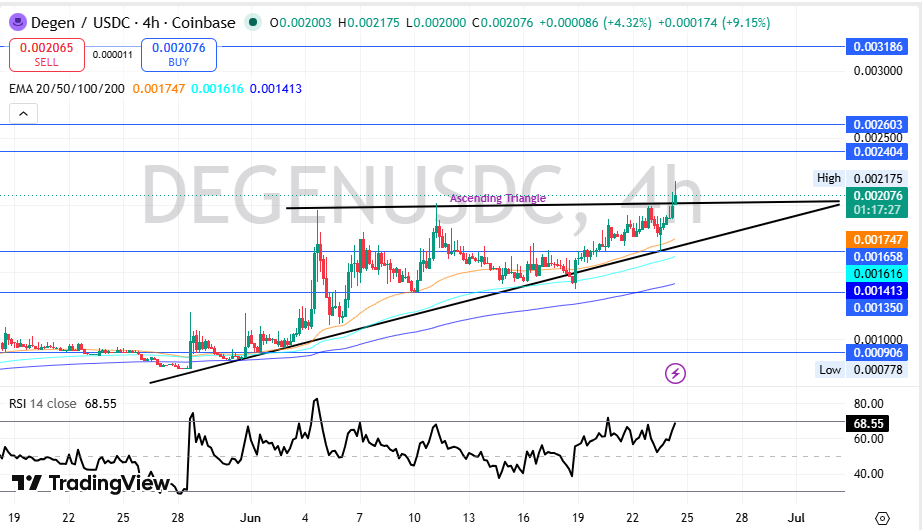
The following widgets provide real-time price action and technical indicators for the leading Base casino token, DEGEN. Use these to assess current volatility and trading volume before allocating capital.
Comparison of Key Base Casino Tokens
The table below outlines the core tradeoffs between the most prominent tokens operating in the Base casino ecosystem. Focus on market cap and volume to gauge stability, and check the token’s primary use case to ensure it aligns with your strategy.
| Token | Primary Use Case | Market Cap Range | Liquidity Risk | Governance Power |
|---|---|---|---|---|
| DEGEN | Community & Ecosystem Incentives | $25M - $45M | Low | Medium |
| BASE_CASINO | Platform Utility & Betting Credits | $5M - $15M | Medium | Low |
| BASE_GAMBLE | Provably Fair Gaming | $1M - $5M | High | None |
| ETH_BASE | Liquidity Provision | $100M+ | Very Low | High |
Turn Research Into a Decision Framework
Base Degen Casino Tokens operate in a high-velocity environment where market data shifts hourly. To navigate this space without relying on speculation, you need a structured evaluation process. This framework moves you from raw market metrics to actionable trading decisions.




As an Amazon Associate, we may earn from qualifying purchases.
Spotting Weak Base Degen Casino Tokens
Not every token riding the Base or Degen wave deserves a spot in your portfolio. The casino sector is flooded with projects that prioritize hype over utility, leaving you holding bags of tokens with no real traction. Before allocating capital, you need to separate the functional infrastructure from the speculative noise.
The Liquidity Trap
Many casino tokens promise high yields but suffer from shallow order books. A token might show a 20% daily gain, but if the 24-hour trading volume is under $50,000, you will struggle to exit without crashing the price. Always check the depth of the order book on decentralized exchanges like Uniswap. If you cannot sell $1,000 worth of tokens within a 1% slippage, the token is too illiquid for serious play.
Tokenomics and Vesting Cliffs
Check the vesting schedule. Many projects allocate 40-60% of their supply to team wallets or early investors. If a large vesting cliff is approaching, expect downward pressure. Look for tokens with a fair launch or significant community allocation. A token with no vesting period for insiders is significantly safer than one where the team can dump at any moment.
Utility vs. Hype
Does the token actually power the casino platform? If the token is only for voting or staking with no revenue share or utility in games, it is likely a meme coin. Strong projects integrate their token into gameplay mechanics, offering rewards for engagement or discounts on fees. Without this intrinsic value, the price is driven purely by speculation, which is volatile and risky.
Base degen casino tokens market research: what to check next
Before allocating capital to Base-based casino tokens, you need to separate the narrative hype from the actual on-chain mechanics. These assets often operate with high volatility and low liquidity, meaning standard market cap metrics can be misleading. The following questions address the practical risks and structural realities of trading these tokens in 2026.
The distinction between a utility token and a pure memecoin often blurs in the casino niche. DEGEN’s market cap of approximately $37 million places it in a mid-tier speculative category. It is not backed by traditional financial audits or regulatory frameworks, so your due diligence must focus on on-chain activity and community sentiment rather than fundamental business metrics.
Always cross-reference price data with official sources like BaseScan or CoinGecko. Relying on third-party aggregators without verifying the contract address can lead to exposure to fake tokens. The infrastructure is decentralized, but the risk is entirely on the user.
No comments yet. Be the first to share your thoughts!